Unveiling the Wonders:
An Insider's Guide to New Zealand
An island country with an identity unlike any other, New Zealand guarantees a once-in-a-lifetime experience for its visitors. With breathtaking landscapes, unique culture, and friendly locals, it is no wonder that it has become a popular tourist destination in recent years.
About New Zealand
New Zealand is a southwestern Pacific Ocean island country. It consists of two main landmasses, the North Island and the South Island, along with numerous smaller islands. The capital city of New Zealand is Wellington, located on the North Island. The largest city, however, is Auckland, known for its vibrant urban atmosphere.
New Zealand has a temperate climate characterised by mild, wet winters and warm, dry summers. The weather will vary between regions, so it makes perfect sense to pack layers and be prepared for changing conditions.
English and Māori are the official languages of New Zealand. English is widely spoken throughout the country.
New Zealand is generally counted as a safe country for travellers. However, it is always advisable to take standard precautions, such as securing valuable belongings and being aware of your surroundings.

History of New Zealand
The history of New Zealand dates back to the arrival of Polynesian settlers around 1350 AD. These Māori explorers brought with them a rich culture and traditions that have continued to thrive in present-day New Zealand.
European explorers began to arrive in the latter part of the 18th century, leading to colonisation by the British Empire in 1840. Most notably, the Treaty of Waitangi was signed between the British Crown and Māori chiefs, establishing New Zealand as a British colony.
New Zealand gained independence from the British in 1907 but remained a part of the Commonwealth until 1947, when it became fully independent.
Modern New Zealand is a diverse and multicultural country that celebrates its unique heritage and incorporates elements from Māori, European, Pacific, and Asian cultures.

Three Things People the Most About New Zealand
The Landscapes
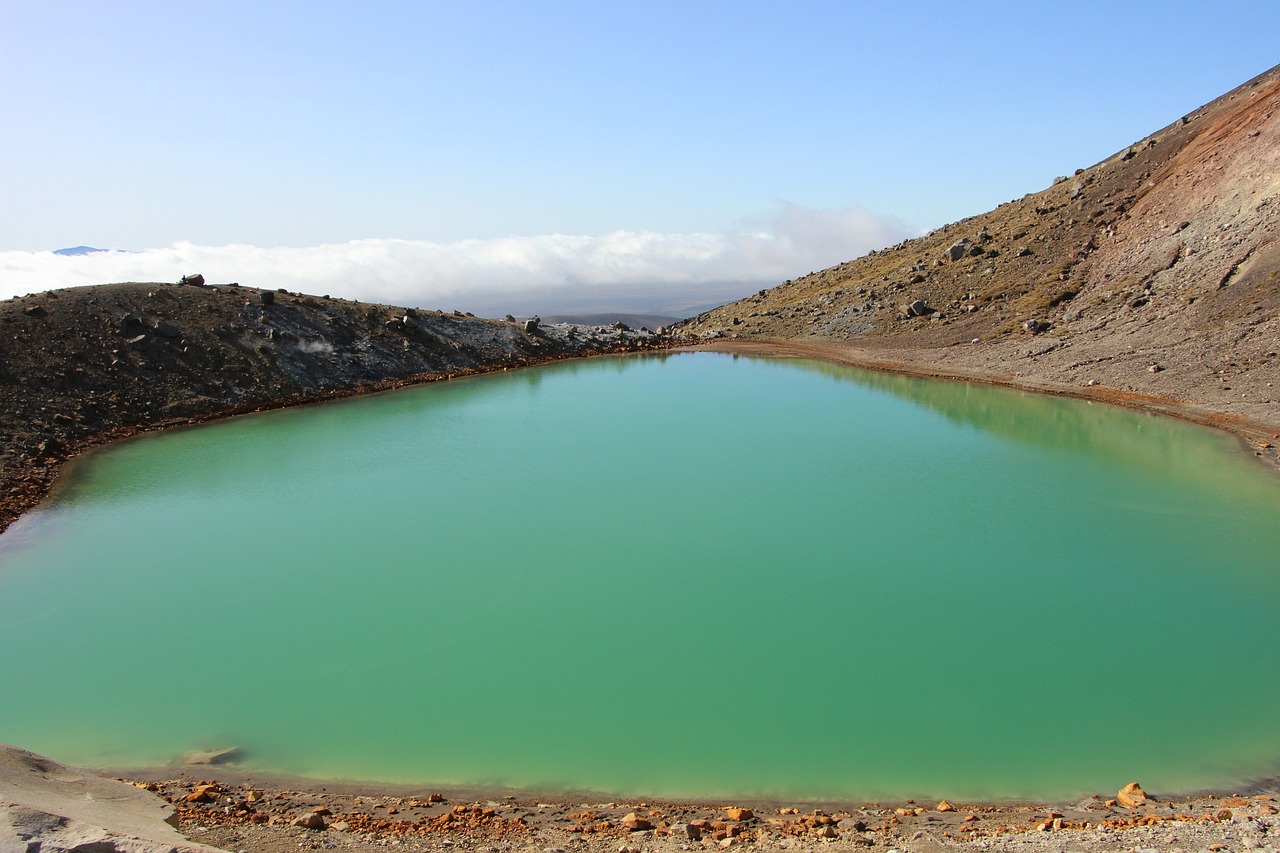
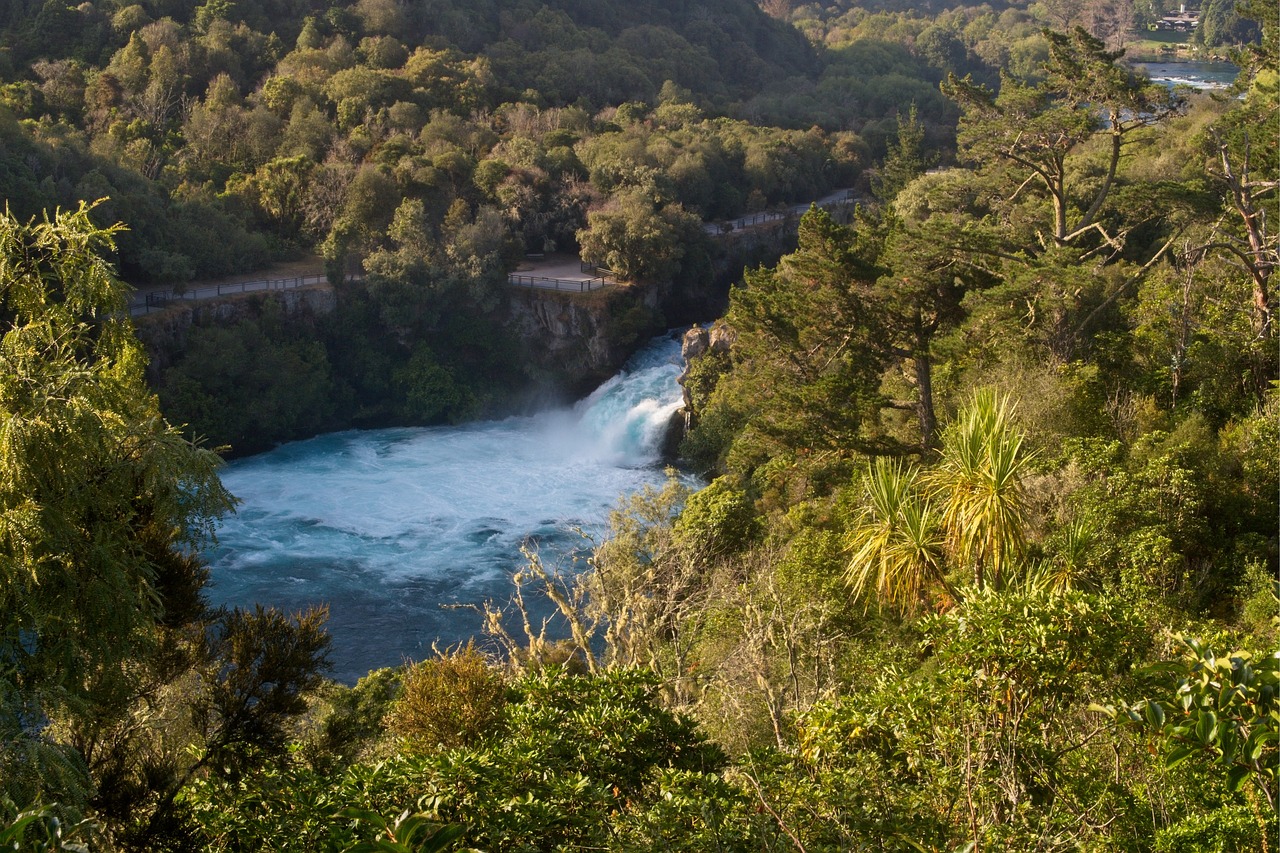
New Zealand is best known for its surreal landscapes that seem to come straight out of a fantasy world. From the jagged mountains and rugged coastlines to dense forests and unspoiled lakes, there is no shortage of stunning scenery in this country.
Adventure Activities
For thrill-seekers, New Zealand offers an array of adventure activities, such as bungee jumping, skydiving, skiing, and white-water rafting. With its diverse terrain and ideal weather conditions, it's the perfect playground for outdoor enthusiasts.
The People
Kiwis (the colloquial term for New Zealanders) are beloved for their warm hospitality and laid-back attitude. The locals are always eager to share their love for their country and help visitors discover its hidden gems.
Best Time to Visit
New Zealand offers something unique and breathtaking throughout the year, but an ideal time to see the country depends on your preferences and the experiences you seek. Here's a breakdown of the seasons and the attractions they offer:
Summer (December to February):
The summer months are a sensible time for outdoor exploration and adventure activities. The weather is warm (20 to 30 degrees Celsius or 68 to 86 degrees Fahrenheit), making it ideal for hiking, kayaking, and enjoying the stunning beaches.
Don't miss out on exploring the Abel Tasman National Park. Everyone may embark on scenic coastal walks or take a kayak trip to discover hidden coves and golden sand beaches. It's also a great time to visit the famous Milford Sound, where you can cruise through the majestic fjords and witness cascading waterfalls.
Autumn (March to May):
Autumn in New Zealand is a season of beautiful colours as the leaves change, creating a picturesque landscape. The temperatures may vary from 15 to 25 degrees Celsius, which translates to comfortable weather for outdoor activities.
Take a road trip through the South Island's Central Otago region, known for its stunning vineyards and orchards. You can also explore the beautiful Lake Tekapo and witness the stunning autumn foliage surrounding the lake.
Winter (June to August):
Winter brings a magical charm to New Zealand, especially in the mountainous regions. Snow-covered landscapes offer opportunities for skiing, snowboarding, and other winter sports. The temperatures can go from 5 to 15 degrees Celsius (41 to 59 degrees Fahrenheit).
Head to Queenstown and experience world-class skiing and snowboarding at Coronet Peak or The Remarkables. Don't forget to indulge in some après-ski relaxation at the renowned hot pools in Hanmer Springs or the rejuvenating thermal springs in Rotorua.
Spring (September to November):
Spring in New Zealand is a season of new beginnings, with flowers blooming and wildlife awakening. The temperatures reaches 10 to 20 degrees Celsius (50 to 68 degrees Fahrenheit), providing pleasant weather for outdoor activities.
Explore the stunning gardens of Wellington, such as the Wellington Botanic Garden and Otari-Wilton's Bush, where you can witness a burst of colourful blossoms. Spring is also an excellent time to visit the iconic Waitomo Glowworm Caves and witness the mesmerising display of glowworms illuminating the caverns.
Geography
The country has a unique geography characterised by the following:
Two main islands, the North Island and the South Island, with a total land area of 268,021 square kilometres. The country also has over 600 smaller islands.
Varied landscapes, including mountains, lakes, coastlines, and volcanoes.
Active geothermal areas on North Island, such as Rotorua and Taupo, are where visitors can witness natural hot springs and geysers.
Diverse flora and fauna, with almost a third of the land being covered in native forests.
Neighbouring Countries and Territories
New Zealand may be isolated in the South Pacific, but it has several neighbouring countries and territories. These include:
- Australia: New Zealand's closest neighbour, located about 1,600 kilometres (994 miles) away across the Tasman Sea.
- Cook Islands: This territory is in a free association with New Zealand and is located about 2,000 kilometres (1,242 miles) northeast.
- Niue: This small state is located about 2,400 kilometres (1,491 miles) northeast of New Zealand.
- Tokelau: An overseas territory of New Zealand consisting of three minor coral atolls located about 500 kilometres (311 miles) north of Samoa.
- Fiji: An island country located about 2,000 kilometres (1,242 miles) northeast of New Zealand.